There's so much work to do once you decide to list your home for sale. From decluttering and deep cleaning to minor fixes and a fresh coat of paint, you must focus on presenting your home in the best possible light to attract buyers. But have you considered the influence your neighbors have on property value?
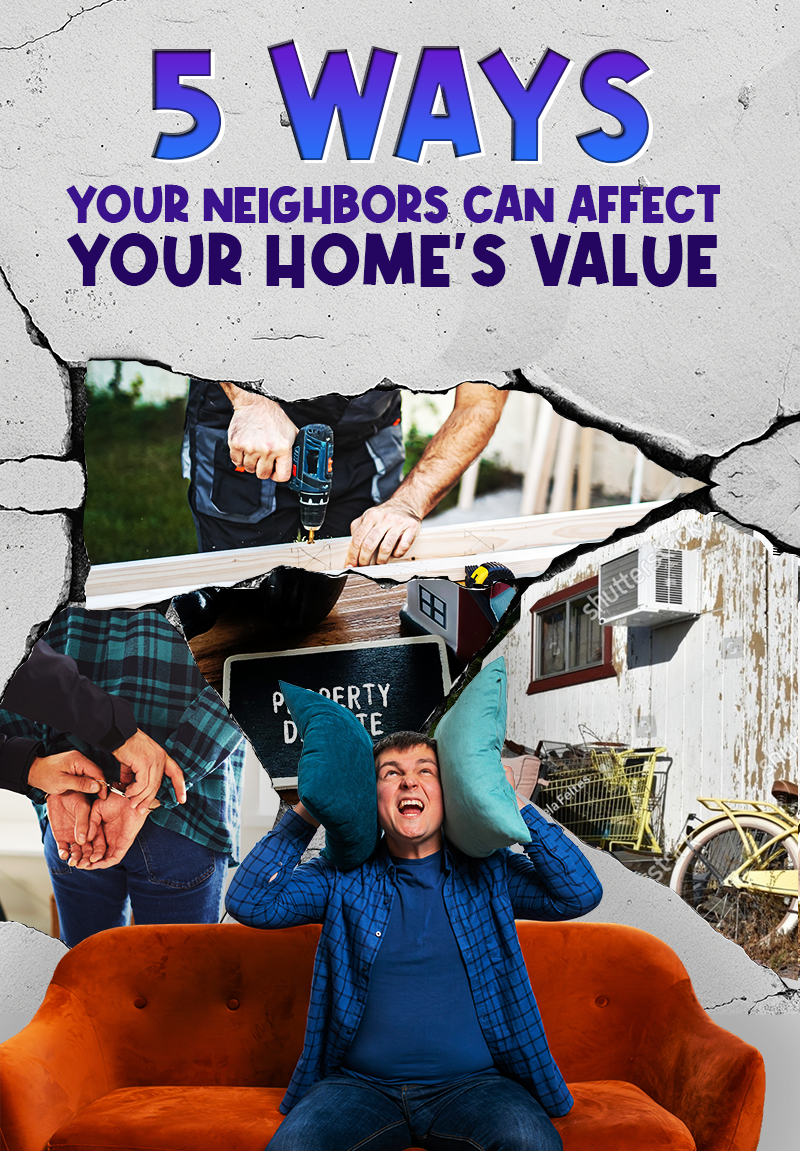
No matter how much you strategize, many external factors can affect your home's value, including your neighbors. Understanding their potential influence is necessary so you can make the most of your biggest investment. From the upkeep of their yards (or lack thereof) to certain habits, here are five ways your neighbors can deter buyers and impact your home’s value.
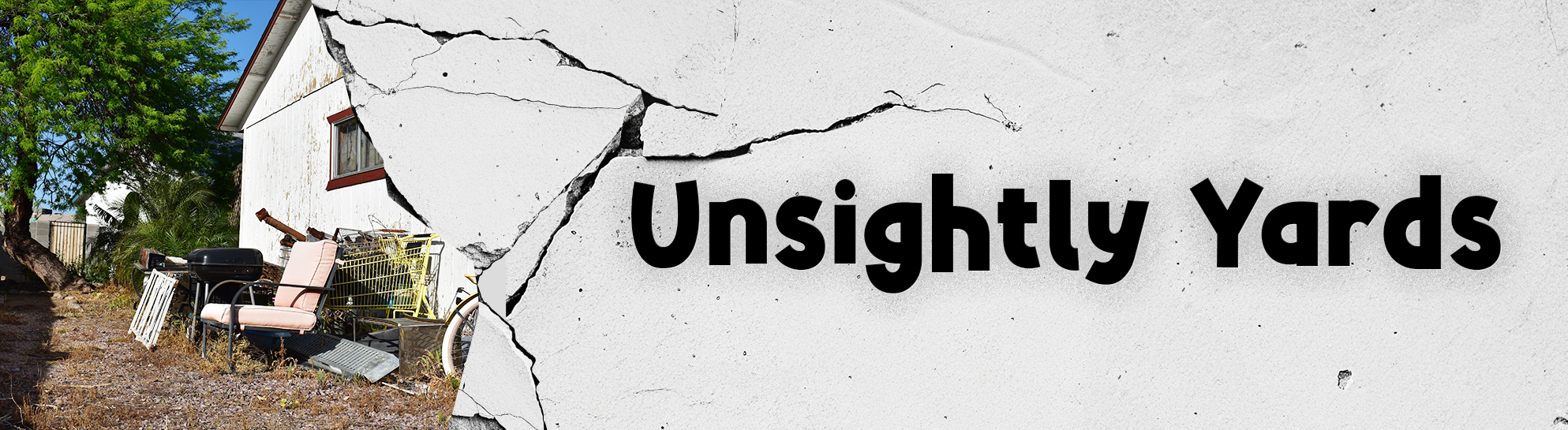
A neglected neighboring yard is not only a dealbreaker to prospective buyers but can also impact the value of your home.
First impressions are crucial in real estate. When buyers drive through the neighborhood for showing or just to see the area, the first things they'll probably survey are the homes and yards. How your neighbors present themselves and their property can have a huge impact. If the nearby properties are well-maintained, have a tidy lawn, no visible trash, and a generally inviting exterior, it sets a positive vibe for the entire block. This collective curb appeal creates a desirable streetscape and enhances the overall value of the neighborhood.
But messy neighbors can send red flags to potential buyers, which can cost you big bucks. A neighbor who rarely cuts their grass, doesn’t weed their yard, and keeps a bunch of trash and junk outside can pull down property values on the whole block. No matter how beautiful your home is, if there's poor upkeep on your neighbors’ end, it can easily diminish your home’s value by up to 20 percent. Buyers won’t desire living next to an eyesore, regardless of how much care you’ve put into your own home.
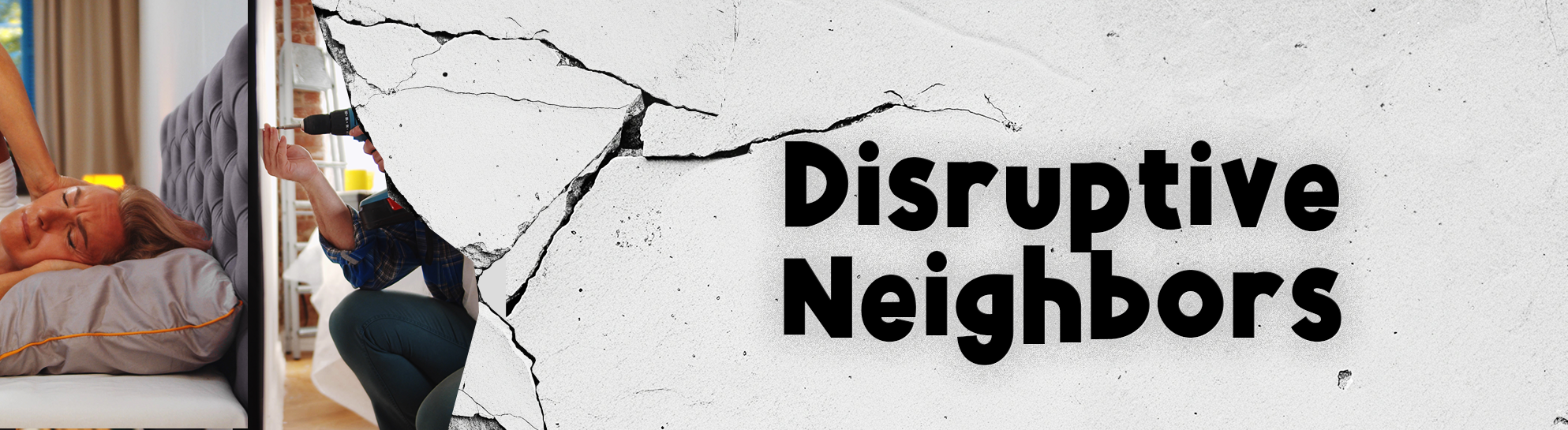
Noisy neighbors are just as likely to scare off potential home buyers as the messy ones.
Beyond what's visible, the general atmosphere of your neighborhood can influence a buyer’s perception of your home. The sense of harmony and good relationships between neighbors is a huge selling point for many buyers, especially for those looking for a peaceful living space.
This is why having noisy and rude neighbors can create an uncomfortable living situation. Whether they are throwing frequent large parties, blaring loud music, hosting band practices in the garage, have dogs that bark all day, or just have a general disregard for community standards, being next door to these kinds of neighbors can make your home less appealing.
According to appraisal experts, living near a bad neighbor can lower home values by more than 5 to 10 percent. These issues might not be immediately apparent during an open house or the first few showings, but they can become a huge concern for savvy buyers who spend time in the neighborhood and do their research.
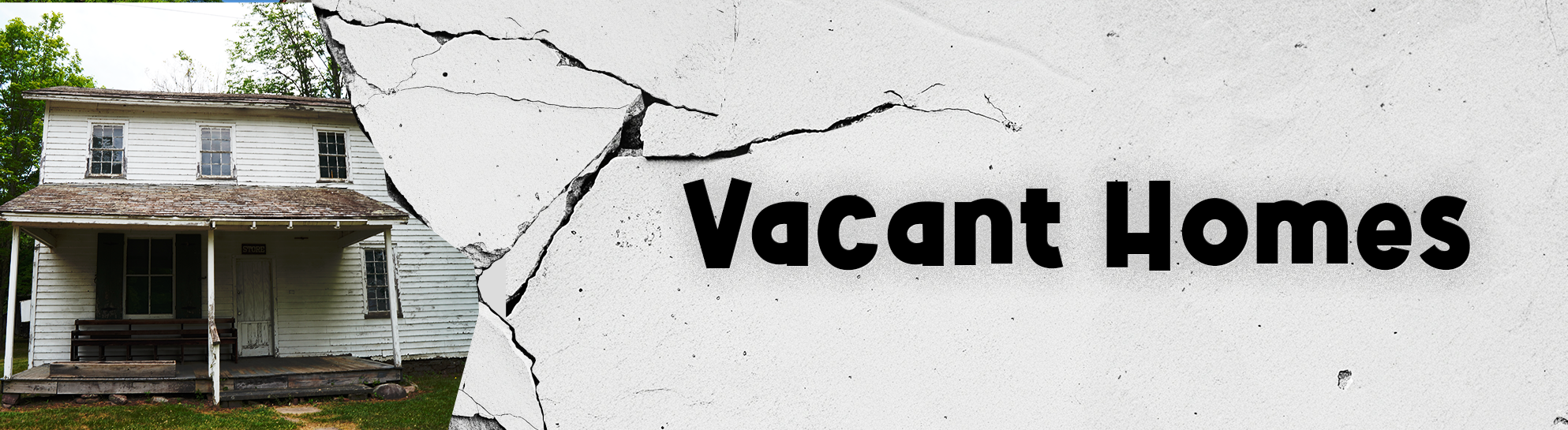
Vacant properties are eyesores that can significantly reduce the property values of neighboring homes.
Just think of this: unmowed lawns, junk in the yard, and obvious exterior damage as discussed earlier. But apart from aesthetics, abandoned homes can attract rodents and other pests, leading to infestations that can spread to neighboring homes. They can become breeding grounds for rats, which can pose health risks to humans and pets due to the diseases they can carry.
A neighborhood with vacant properties may also see an increase in crime rates, such as trespassing, vandalism, graffiti, theft, and even arson. When crime rates rise and the community's public safety is compromised, it could become a challenge for residents to sell their homes.
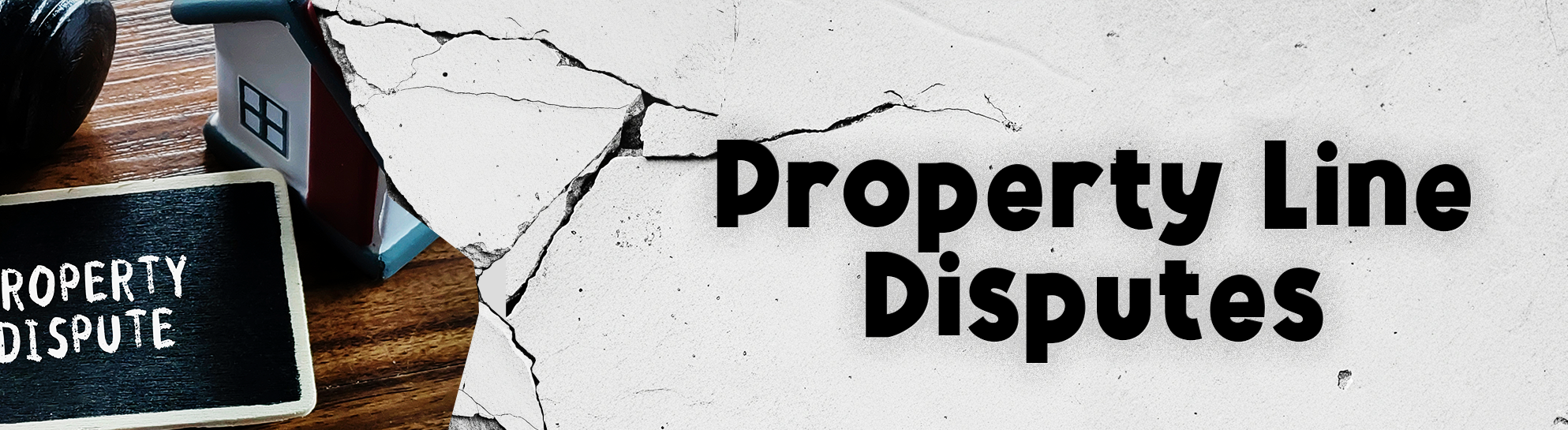
Property line disputes and other serious neighborly conflicts can be a major red flag for potential buyers.
Maybe you or your neighbor built a fence that crosses over the property line, or a portion of your driveway crosses the neighbor's property. Boundary disputes among neighbors are surprisingly common. They may seem relatively small, but these conflicts can significantly diminish your home’s value and even hinder your ability to sell.
If these issues are not resolved before you list your home, buyers might fear they’d inherit the problem or get involved in legal battles. However, even after a dispute is resolved, the history of conflict can linger and still affect the home’s marketability.
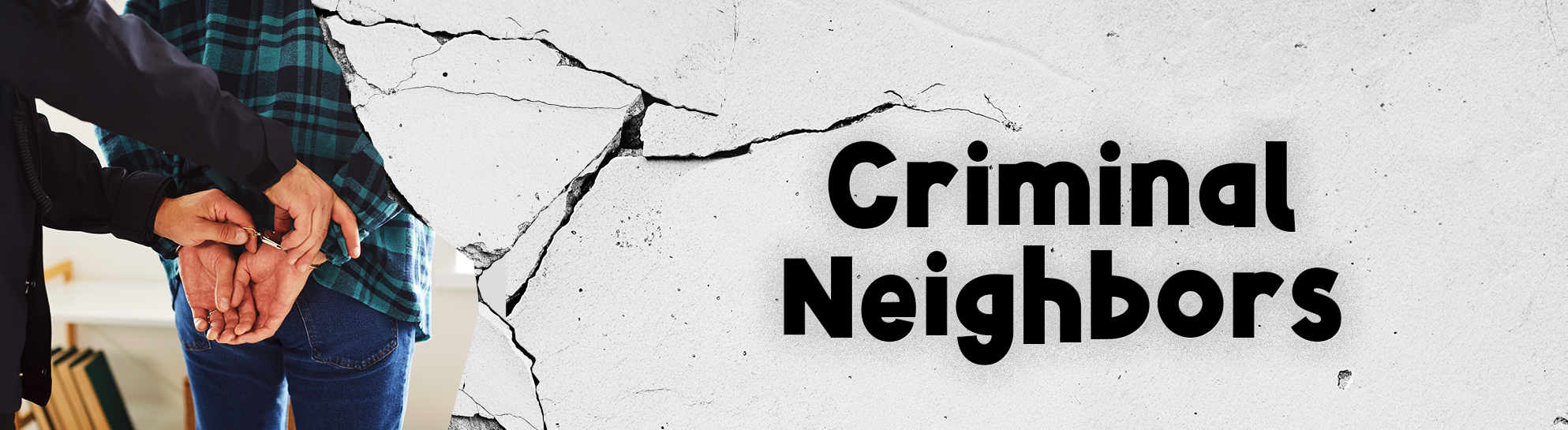
Having registered sex offenders as neighbors can negatively impact the value of homes in the neighborhood.
Statistically, homes surrounded by offenders receive fewer and lower offers. Studies also show that values of properties near where convicted criminals live drop by up to 17 percent due to stigma and safety concerns. Home buyers can now easily find out when offenders are part of their potential neighborhood. Before attending showings, they can check the publicly available National Sex Offender Registry to vet their future neighbors.